
This week, we hosted an important debate at the Royal Society of Arts (RSA) in London about a part of the creative economy that rarely gets the attention it deserves: the “nano” business.
By that, we mean enterprises with between one and four employees, often including the founder. They are numerous and economically significant but rarely recognised or prioritised in policy interventions or funding frameworks designed to stimulate economic growth.
The event on Wednesday 11 March, brought together a wide range of exciting thinkers and doers. Joining our Board of Directors, we welcomed sector leaders, policy makers, academics, business representatives, business mentors and creative nano business owners themselves.
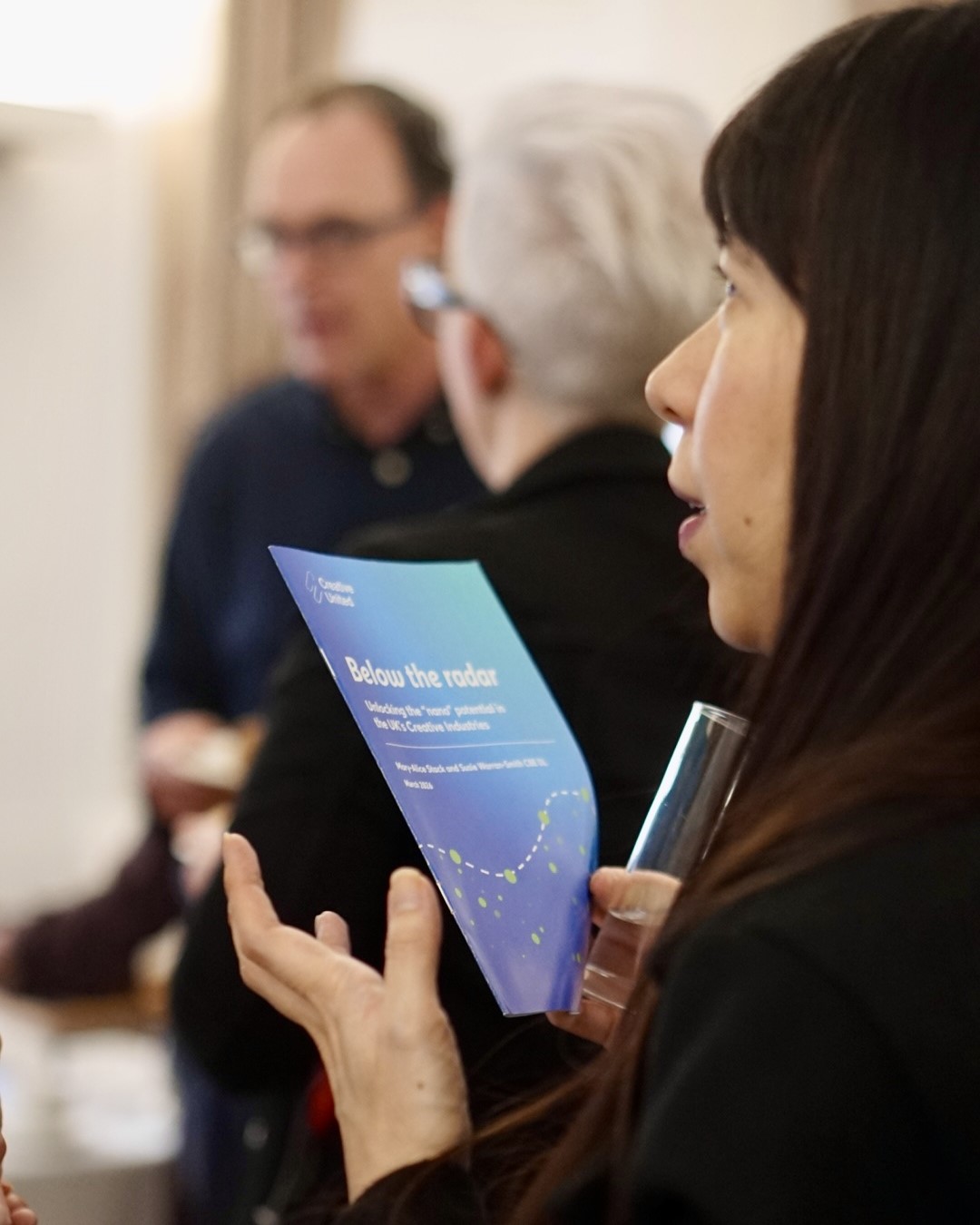
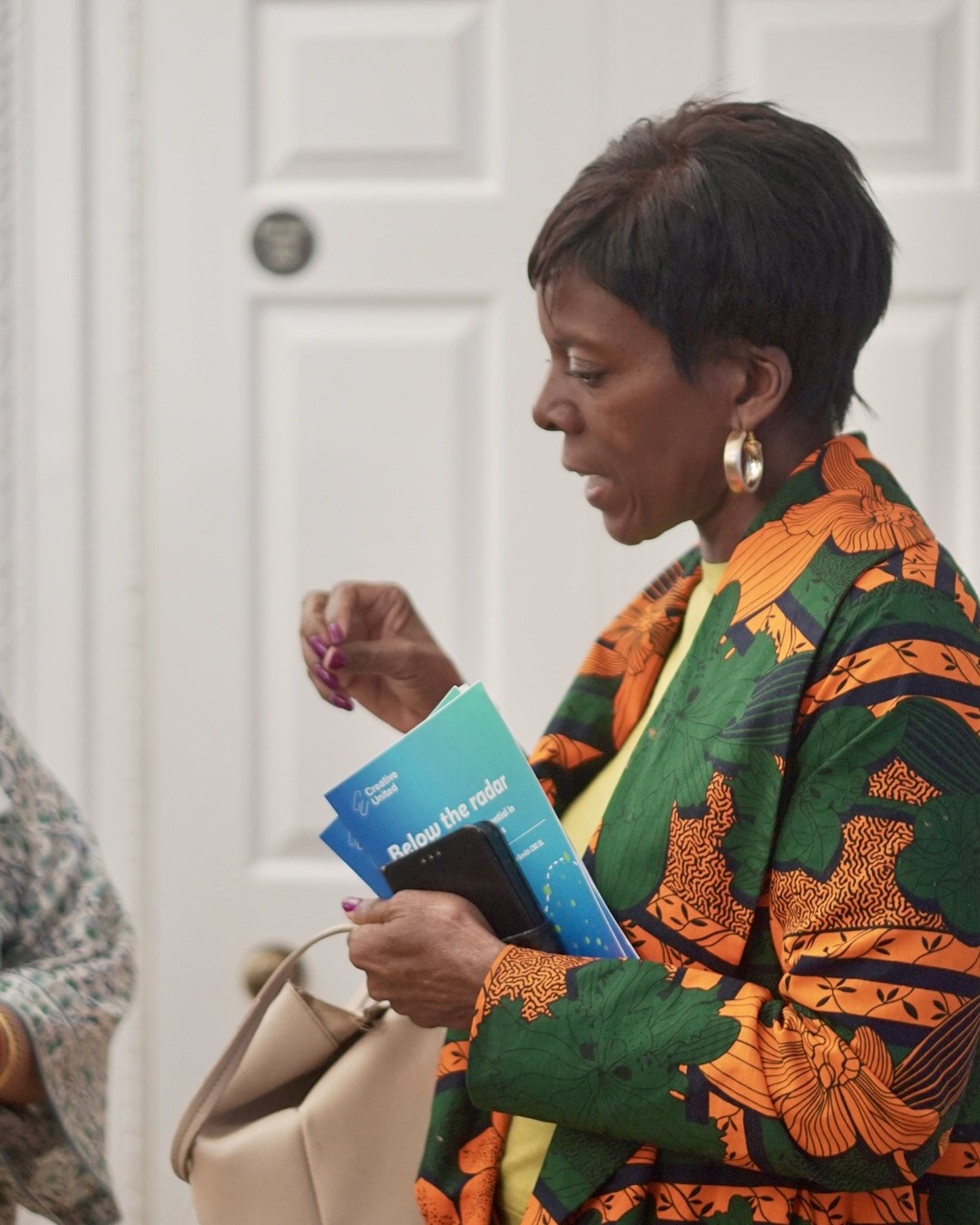
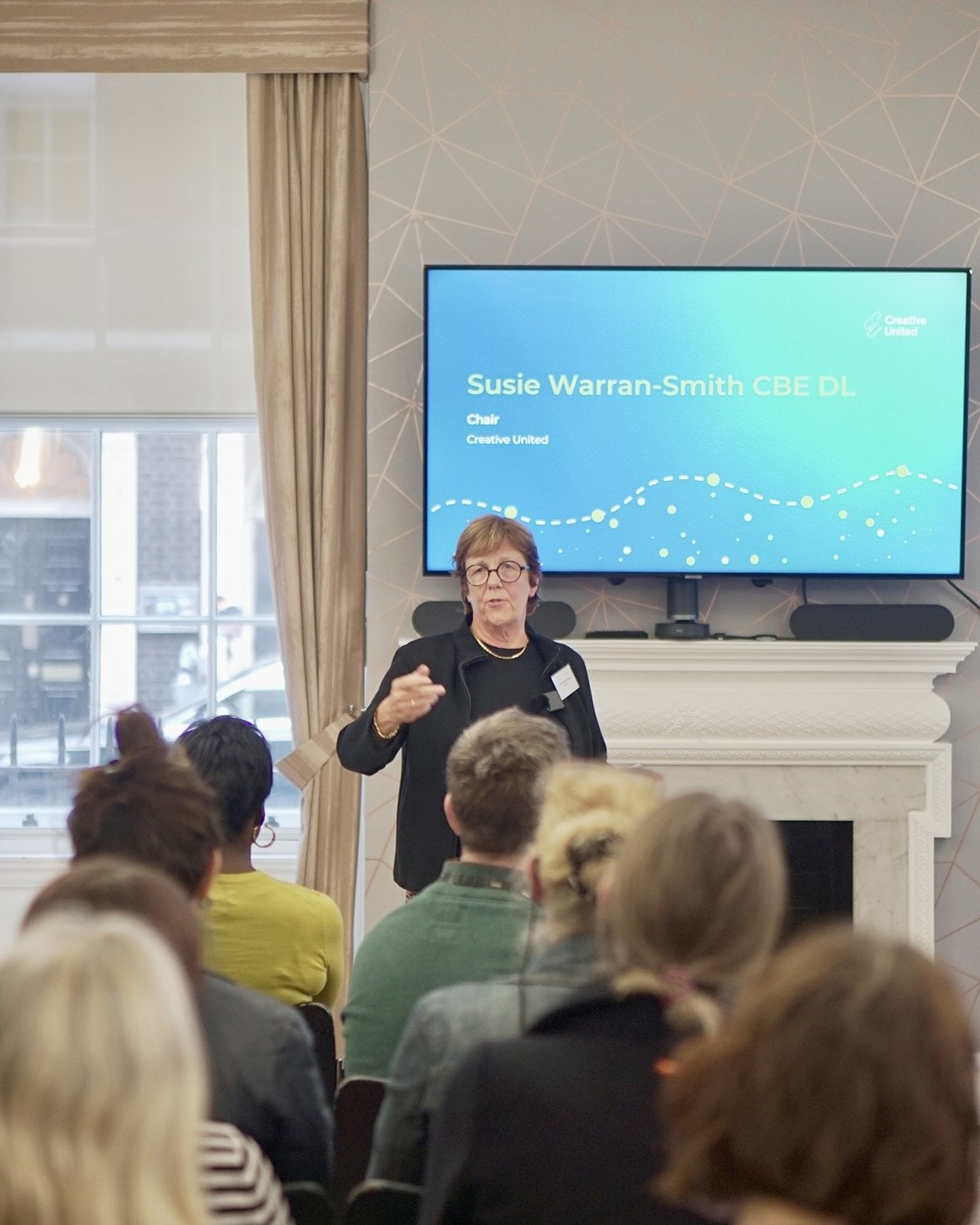
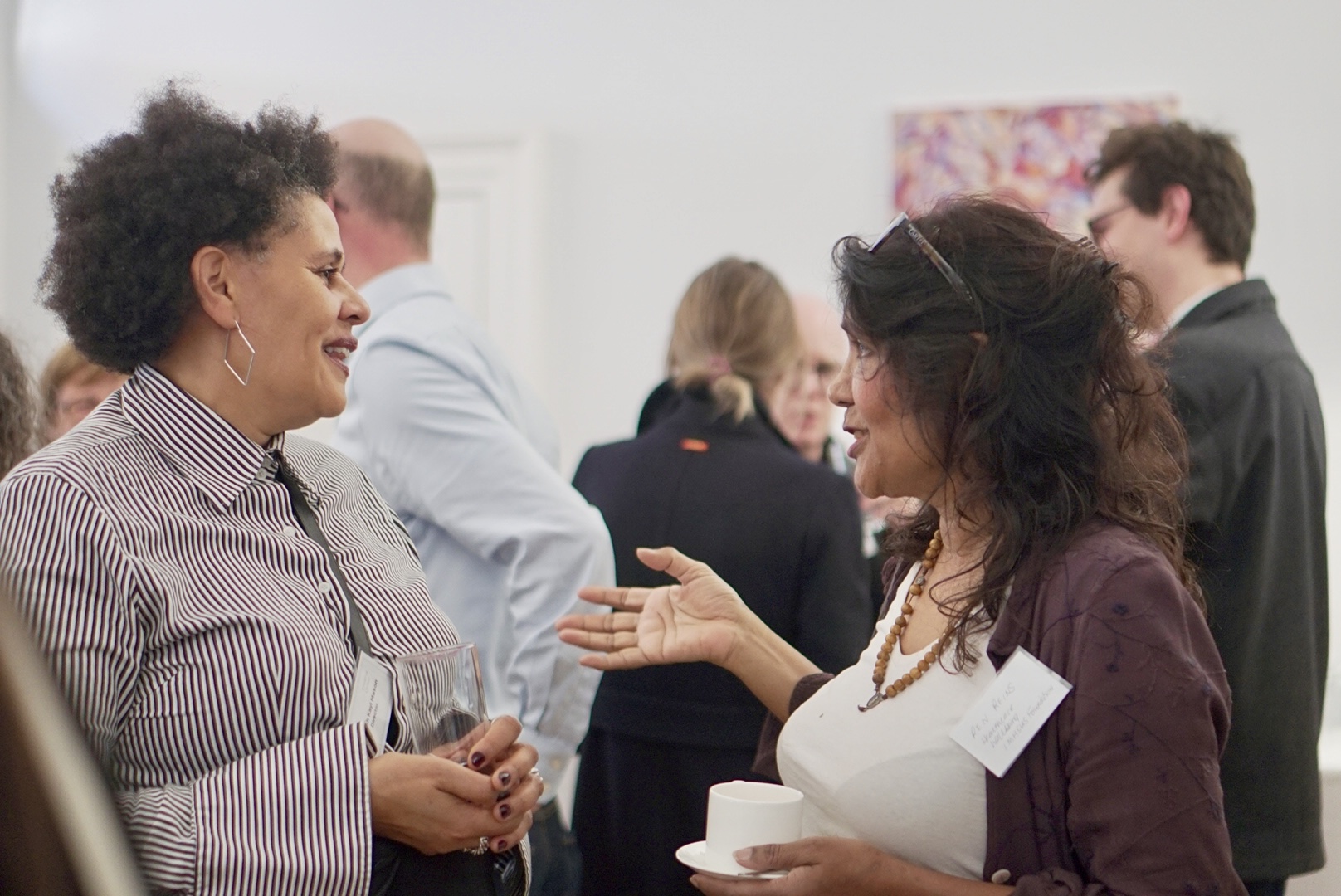
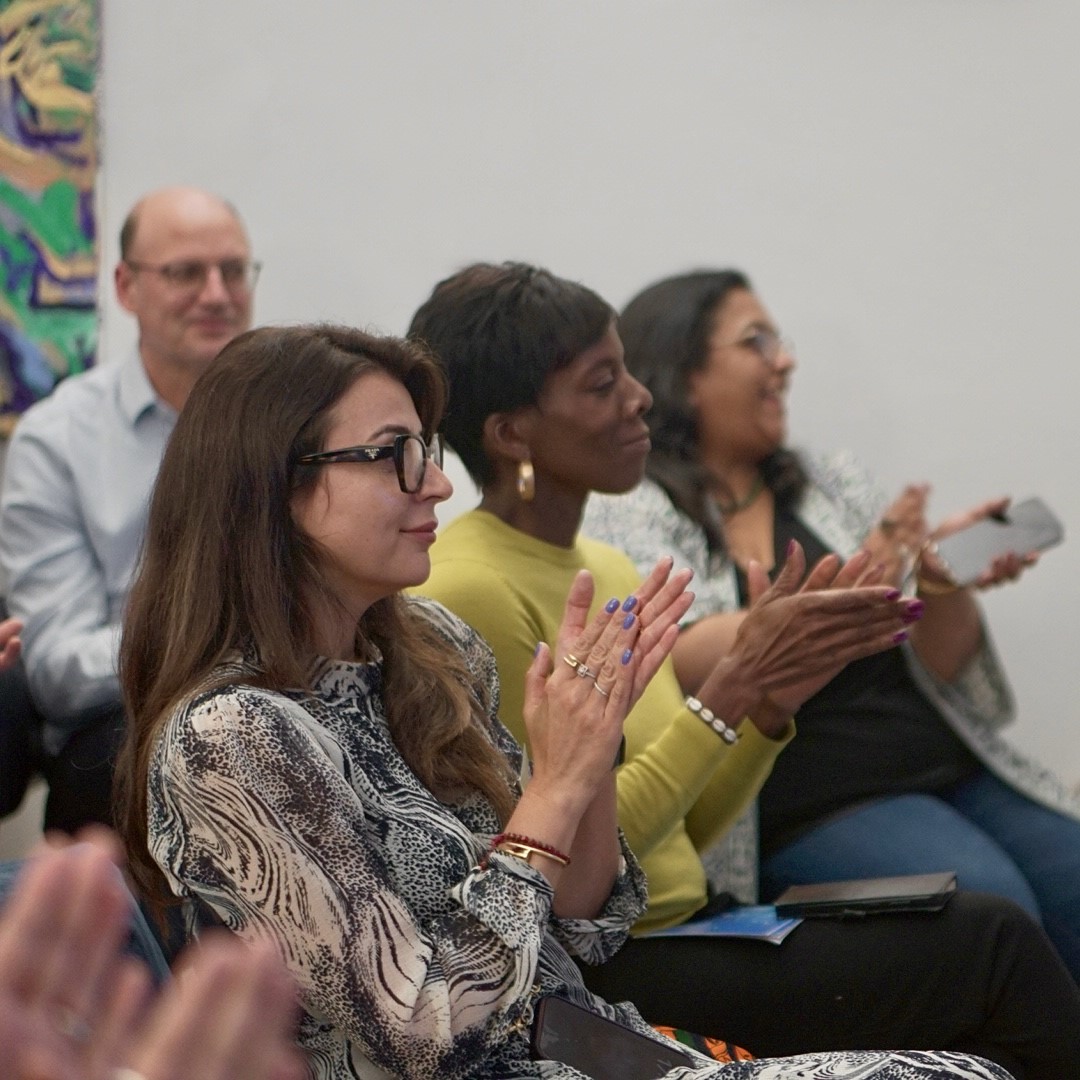
Images taken at the event. (right) Susie Warren-Smith, Creative United Chair
Together we examined:
- the growth potential that exists within this dominant segment of the creative industries
- the need for nanos to be recognised as a separate category of business
- the need for targeted investment in sector specific business support
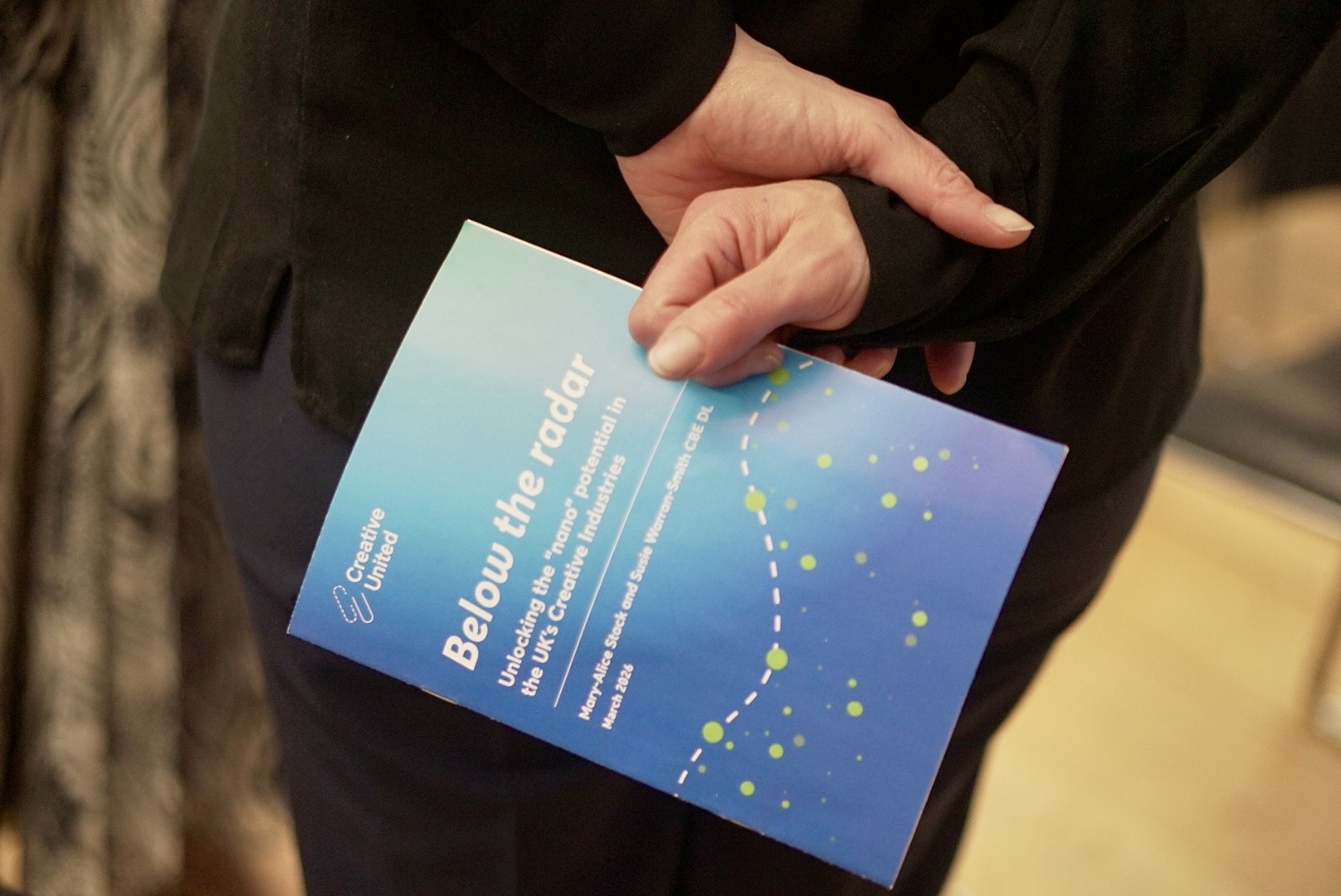
Event attendees were given first sight of our upcoming report: ‘Below the Radar’ – published next week – that sets out new evidence on the scale, economic contribution and policy gaps facing nano businesses in the UK’s creative industries.
Opening the event, Chief Executive Mary-Alice Stack said: “Creative United’s social purpose is to support people across the arts and creative industries to build and sustain their creative practice or business activities. Today, we are setting out the business case for a sector growth plan that focuses on unlocking the potential that exists within nano enterprises.”
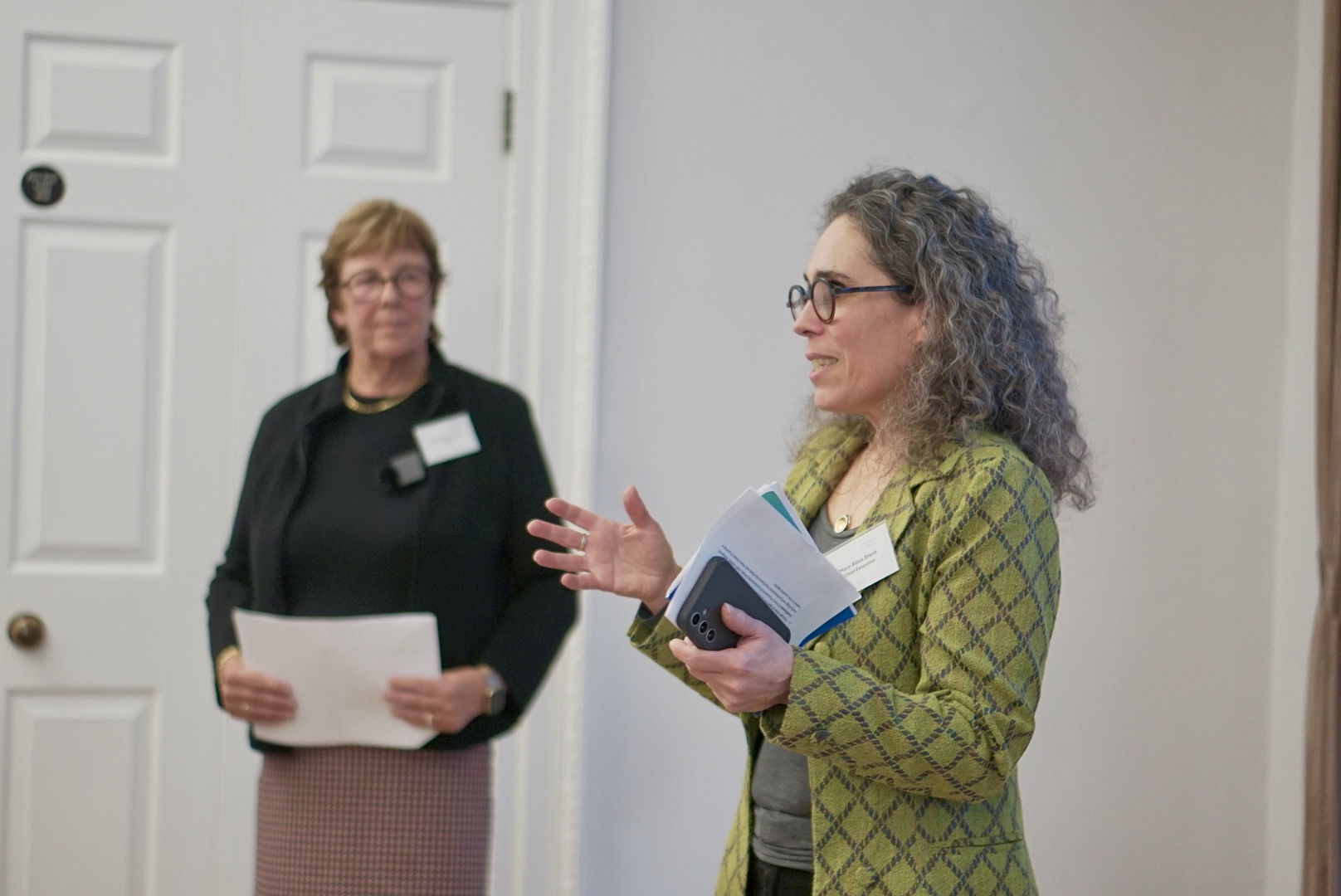
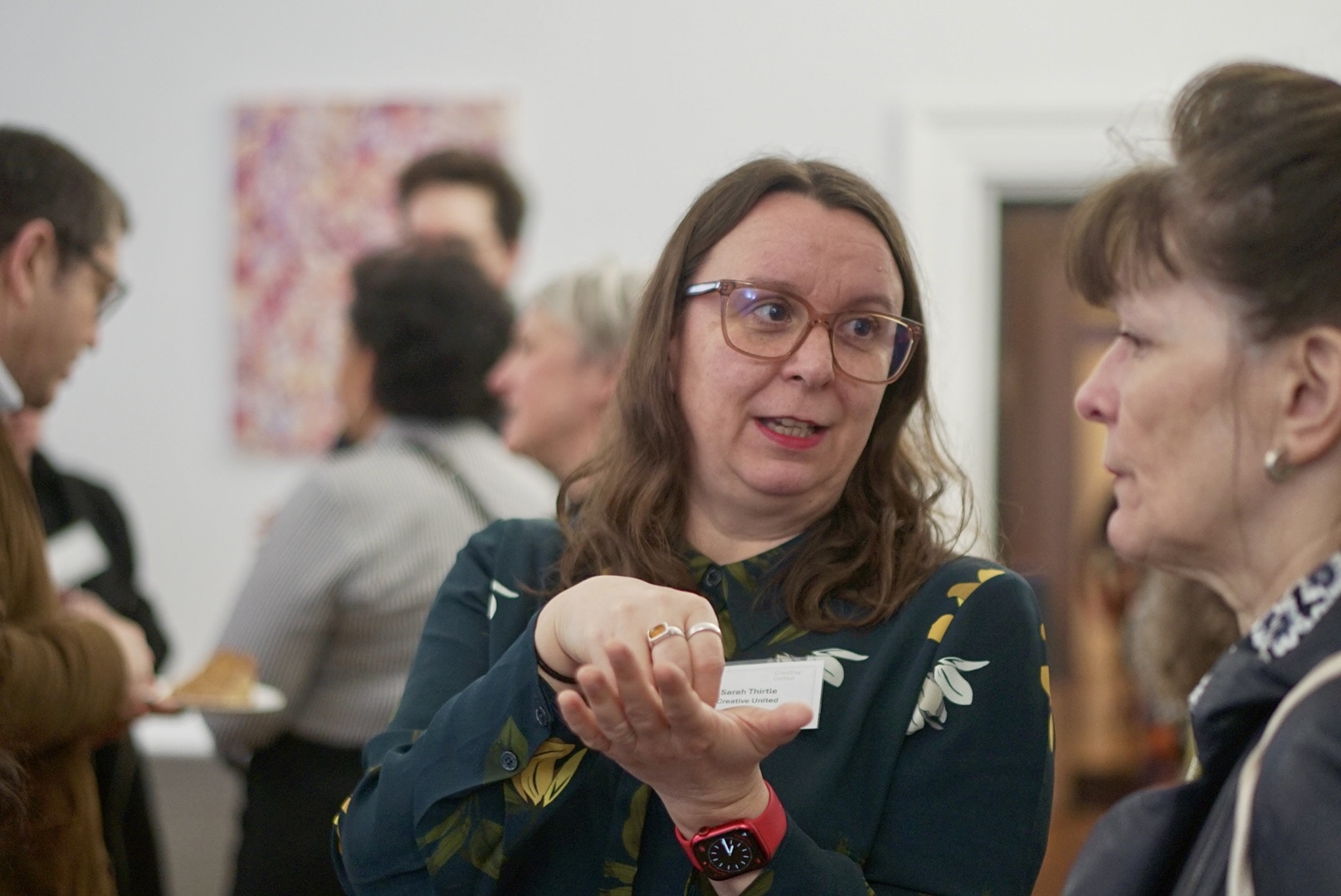
Images taken at the event. (left) Susie Warren-Smith, Creative United Chair & Mary-Alice Stack, Creative United Chief Executive, (right) Sarah Thirtle, Creative United Director of Strategic Development
Creative United Chair, Susie Warran-Smith, praised the current groundswell of support for freelancers at a government level but highlighted the need for a similar focus on the needs of nanos. “Freelancers are doing an amazing job, but they’re not creating jobs. These businesses, with up to four employees, are very, very vulnerable. We need to make it easier for them,” she said.
Director of Strategic Development, Sarah Thirtle, shared learning from more than a decade of supporting and strengthening the livelihoods of the smallest creative enterprises.
Highlighting experience of a range of programmes, from Creative Industry Finance and Prosper North, through to our most recent business resilience programme: Re:Create.
This experience, working with over 900 business owners across England, demonstrated that businesses thrive when support is expert-led, flexible and understands creative businesses.
To further develop this work, Sarah introduced the Re:Create GrowthCamp, launching soon and called for co-investment to help unlock the nano potential in our creative economy.