


Creative United has a longstanding relationship with many of the UK’s leading universities, supporting research into the creative economy. Research fellow, Beatriz Infante explains how this collaboration brings practical benefits.
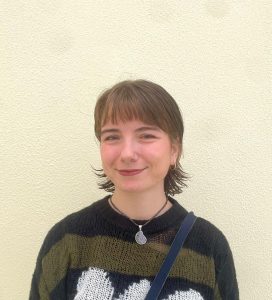 My doctoral research, Supporting Policy and Practice for Thriving, Just and Sustainable Artist Livelihoods, is a collaborative project with Creative United, continuing their partnership with Coventry University. Like much of Creative United’s work, the research stems from the belief that artists matter, not only because of their economic contribution, but because of their cultural, social and personal impact on our communities and society.
Seeking to advance supportive and inclusive creative economies with artists at the heart, ultimately the research asks not only how artists survive, but what it would take for them to genuinely thrive.
Understanding Artists
For the first year, I have been reviewing research on artists, creative work and cultural policy, trying to understand what it means to build a sustainable career as an artist in today’s creative economy, as well as exploring how artists themselves define success, sustainability and the conditions they need to continue their creative practices over the long term.
UK artists operate as part of what we know as the creative industries – a sector that encompasses economic activities rooted in individual creativity, skill and talent that generate wealth and jobs through intellectual property. And the rise of the creative industries in the UK has fundamentally altered creative careers and livelihoods.
We know that artists are central to a functioning society, creating multiple sources of value (economic, cultural, social, personal). However, sustaining an artistic career is very difficult. Through reviewing the latest research, policy statements and analysing the lived experiences of UK artists the evidence continues to show that the challenging long-standing conditions of artistic labour are still present today. Some key insights from existing research on creative livelihoods and careers show us a glimpse of the hardships contemporary artists have – and continue to – endure:
- Artists do not operate through conventional careers. They have different entry points, and their careers are characterised by self-employment and freelancing (or what could be called portfolio careers or project-based work), relying on commissions or grants, and holding multiple jobs inside and outside the arts. This means supporting artists’ livelihoods is fundamentally different from supporting conventional employment.
- Artists are increasingly entrepreneurial, expected to function as micro-businesses, marketers and fundraisers, alongside their artistic practice.
- Artists often face a precarious future, with the research highlighting the challenges of irregular insecurity, employment instability, limited employment protections and pressure to make it on their own.
Artists are not a homogeneous group; their careers and experiences are highly diverse. They have varied and complex livelihoods, as research identifies significant differences in motivations and career aspirations, relationships with audiences and markets, and income strategies. Yet despite their complexity, artists are often treated as a single category within policy and research. It is important to reflect on this diversity to construct policy and support responses that truly reflect the needs of all artists.
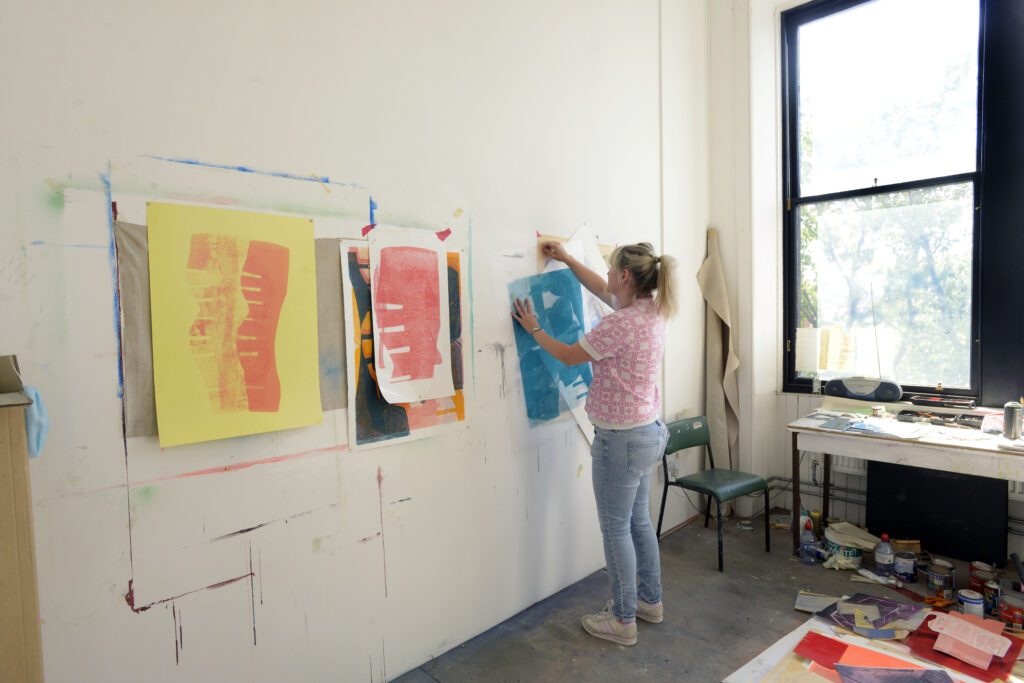
Credit Alan Dimmick- artist, Rosalind Lawless, coutesy of Wasps Studios
Livelihood Ecologies
Artists do not operate in isolation and should not be understood as isolated individuals. The popular image of the lone creative genius hides the reality that artistic careers depend on wider networks of audiences, communities, funders, cultural organisations, local authorities, policymakers, markets and support systems. And these relationships should be strengthened to create a sustainable ecology. Contemporary ecological approaches explore artistic practice through these relationships rather than through individual characteristics alone, looking at the interconnectedness of all actors in the ecology and highlighting the complexity of these systems.
This has changed my perspective. I am not researching how artists can adapt to precarious conditions or find different ways to operate within the system they are embedded. It makes me think beyond questions of individual resilience or business skills. Instead, if we want artists to thrive, we also need to understand the systems around them, and ask whether existing conditions (policies, support infrastructures, communities, etc.) are creating the conditions that allow artists to develop sustainable livelihoods over time, fostering a more interconnected and supportive ecology, where artists are capable of thriving.
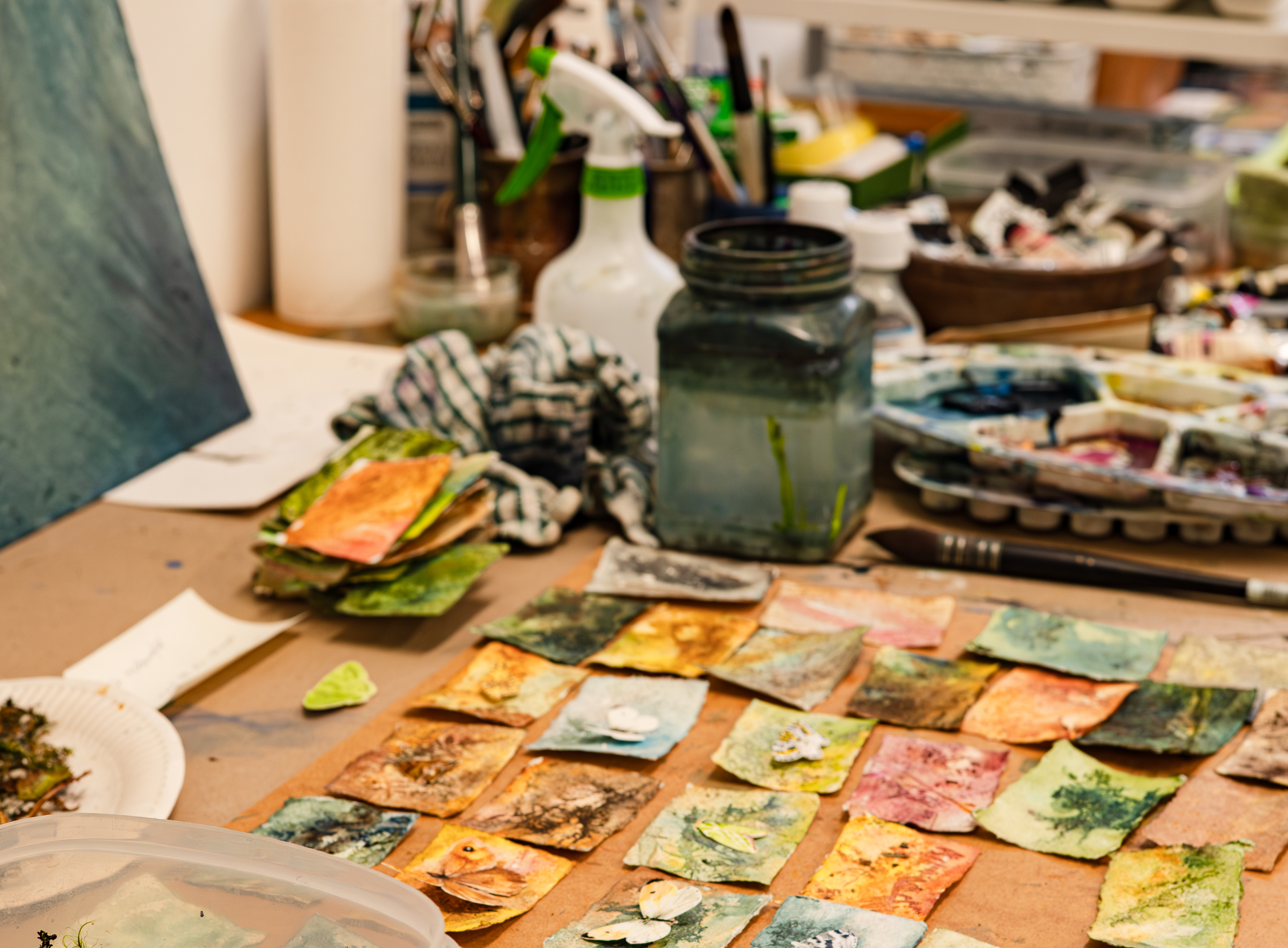
Credit Jilly Noble, courtesy of Wasps Studios
Learning Directly from Artists
The most rewarding part of the year has been moving beyond books and policy documents and beginning to engage more directly with artists themselves. As part of the collaboration with Creative United, I have been invited to participate in a research project funded by Creative Scotland that explores alternative finance and business models for contemporary visual artists and craft practitioners.
To investigate these topics, we have put together an Artist Advisory Group made up of 14 artists from across Scotland. Together we are discussing what financial sustainability means in practice, the realities of accessing funding and finance, the role of skills and peer support, and what alternative futures might look like for artistic work.
Despite this project being about finance and business models, we discuss more than income. When speaking to artists about sustainability, they rarely focus only on financial sustainability, as it encompasses much more; it includes wellbeing, having time and space to create (apart from other responsibilities), welfare and employment security, disability support, or having a healthy work-life balance.
As this research project continues, through group consultations and individual interviews, I hope to continue to learn from and reflect on the artists’ experiences and develop a deeper understanding of the implications of their careers and livelihoods for support structures and policy.
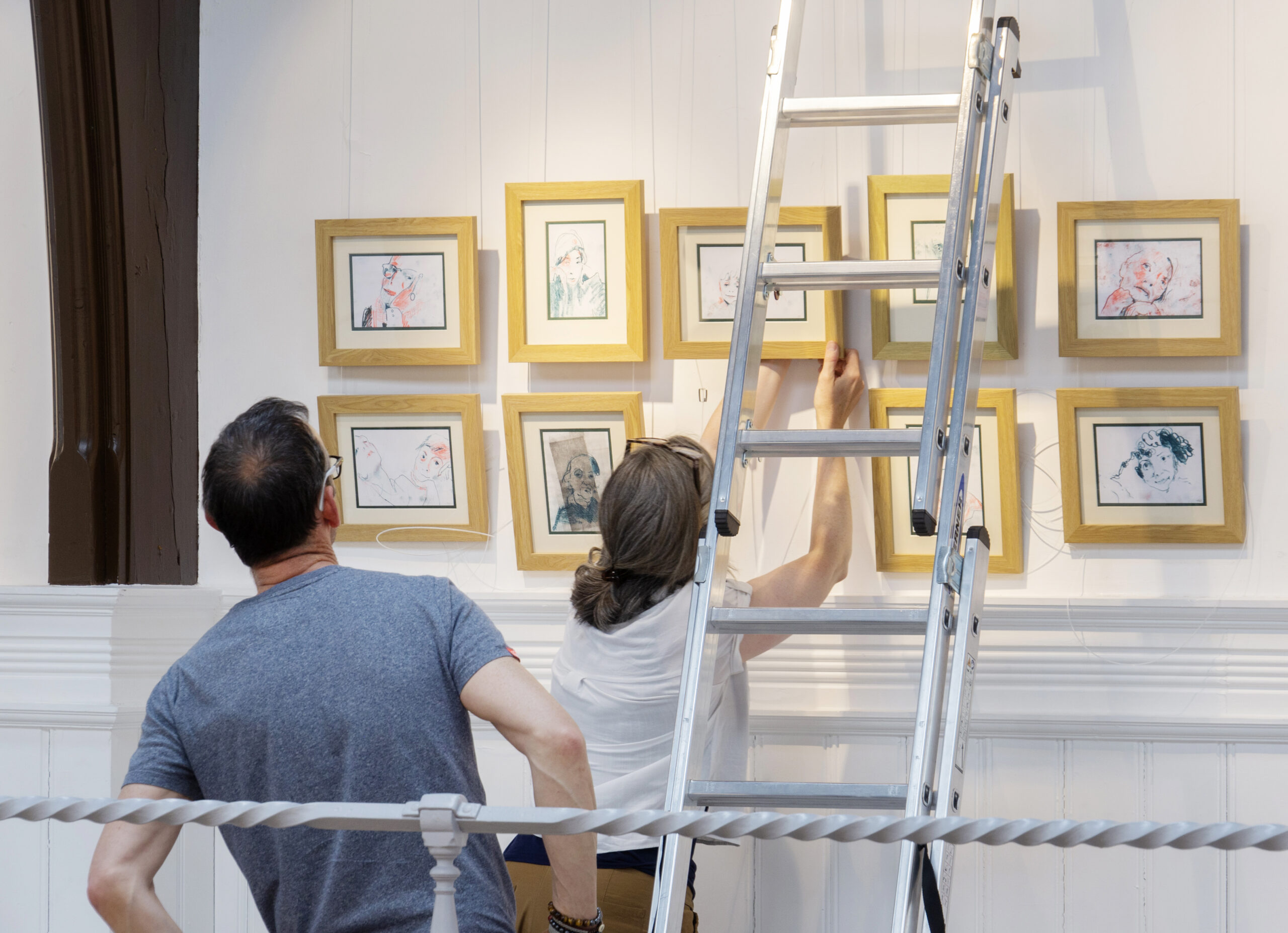
Credit Gair Fraser, courtesy of Wasps Studios
Looking Ahead
As I enter the second year of my PhD, I am moving beyond describing the current state of creative livelihoods. I am now exploring what a thriving, just and sustainable artist livelihood means conceptually (as opposed to precarious livelihoods), while continuing to gather insights from artists themselves.
In the next stages, I will continue to work with and beyond the Artist Advisory Group to envision what a thriving, just and sustainable artist livelihood could look like. I will also take inspiration from existing models of support either in the UK or internationally – especially those that recognise the foundational role of artists in society – to investigate how different conditions and levels of support impact the livelihoods of artists. This can include welfare state support (for example, the Republic of Ireland’s Basic Income for Artist, France’s Intermittents du spectacle, or Germany’s Künstlersozialkasse); state-led ecologies (the Netherlands’ network of state-supported art residencies and international exchange programs); place-based initiatives (citizen assets, public-common partnerships) or potentially any policy that reflects the localised ecologies within which artists often work and live. This investigation will highlight which policies and support systems might help create the conditions for artists not only to sustain their practice, but to flourish.
This research is supported by AHRC Midlands4Cities Doctoral Training Partnership (M4C).